


Manta Valley Cancun: The Honest Answer From a Local Dive Shop

Actualizado: 30 ago
Every year, divers ask us about Manta Valley. It comes up at the shop, in emails, and in searches from people planning a Cancun dive trip. And because almost nobody publishes a straight answer, we thought we would write one. This is the honest version, from a dive shop that has worked these waters for years: what Manta Valley is, why you will struggle to book a trip there, and where you should actually look if what you want is big animals on your dive.
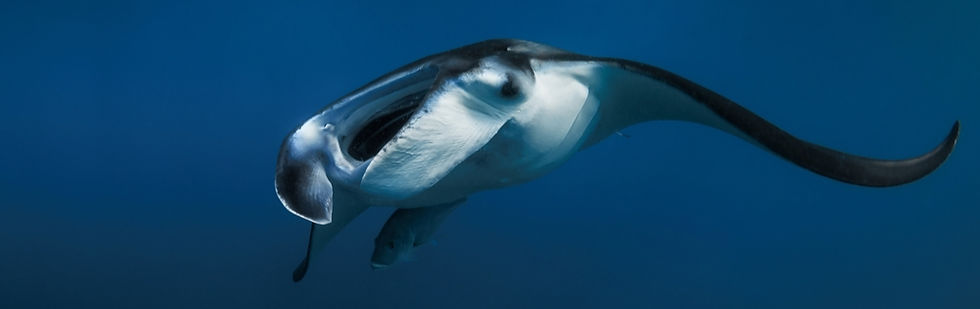
So What Is Manta Valley?
Manta Valley is the name local captains and divemasters use for a stretch of deep water a long way offshore from Cancun and Isla Mujeres. The name gets attention for obvious reasons. When conditions line up, pelagic visitors cruise through: rays, big schools of fish, and the occasional surprise that makes a divemaster's whole season. It is a real place, and on the right day it can be spectacular.
But here is what the name does not tell you. Manta Valley sits far from the Cancun docks. It is exposed, deep and swept by current, and the window when it is actually worth diving is only a few months of the year. The rest of the time, the long run out there simply does not pay off, and even in season it is a committing day that depends entirely on the weather cooperating. This honesty aims to build your trust by setting realistic expectations about the site's conditions.
Why We Have Paused Manta Valley Tours
We get asked, so let us be direct: Manta Divers does not run trips to Manta Valley. Not because we are keeping it to ourselves, but because we could not run it to the standard we hold our tours to. The distance makes it a long, rough, expensive day on the water. The season is short. And the conditions are unpredictable enough that we would be canceling and refunding as often as we ran it. We would rather tell you that plainly on this page than sell you a maybe.
It is the same reason our booking pages tell you when a dive is for experienced divers instead of taking everyone's money. An honest recommendation is worth more than a booking. If another operator offers you Manta Valley, ask hard questions about the boat, the run time, and the cancellation policy before you pay.
Where Eagle Rays Actually Gather in Winter

Now the good news. If what draws you to the name Manta Valley is the idea of sharing the water with big rays, you do not need a long offshore run to do it. From roughly November through March, spotted eagle rays move into the waters off Cancun in numbers, and the place we see them most reliably is one of our favorite dives of the year: the C-55 and C-58 shipwrecks. We call them Eagle Ray Alley!! This opportunity to see big rays close to shore is an exciting alternative that can inspire your trip planning.
The wrecks sit in open water at depths of 60 to 80 feet, and in winter the sand flats and structures around them become an eagle ray thoroughfare. Some days it is two or three gliding past in formation. On the good days it is a squadron, wings tipping in the current while horse-eye jacks swirl above the wreck. Divers come up talking about the rays as much as the ships.
If you want to know more about the animals themselves, our guide to spotted eagle rays covers how to tell them apart from stingrays and why they are completely relaxed company underwater. And if you are still choosing your travel dates, our best time to dive Cancun guide walks through what each season brings.
The Winter Wreck Dive, Day by Day
The tour is our Cancun 2 Tank Wreck and Reef, and the day runs like this. You check in at our dive shop at Marina del Rey in the Hotel Zone at 8:00 AM. The boat ride out is short. Your first tank is the wreck itself: the C-55 or C-58, two decommissioned vessels sunk deliberately as artificial reefs and now completely colonized by marine life. Expect schools of horse-eye jacks, tuna, grunts and porkfish moving over the structure, and in winter, keep one eye on the sand. Your second tank is a nearby reef, gentler than the wreck's depth, and you are back at the shop by early afternoon.

Two-tank dive, $130 USD per person, with all taxes, marine park and dock fees included
All equipment included: tanks, weights, wetsuit and full gear.
Bottled water, seasonal fruits and granola bars on board
Check-in at 8:00 AM, back by early afternoon
Depth 60 to 80 feet, so this one is for certified divers with some experience.
That last point matters. The wrecks sit below the 60-foot limit associated with Open Water certification. If you are newly certified or have not dived in a while, talk to us first, and we will tell you honestly whether to book the wreck or start with one of our 2 tank reef dive in Cancun instead. Plenty of divers do the reef in the morning, love it, and book the wreck for later in the week.
Not Certified Yet? Winter Is a Good Time to Fix That
If the eagle rays are calling but you are not certified, you have options. Our PADI certification courses run all year, and the Open Water course takes as little as two to three days. Is it time to get Advanced Open Water training now? It's a great time while looking for Eagle Ray. Certify early in your trip, and the reefs will be open to you the same week. If you want to try diving once, with no course commitment, our Discover Scuba beginner program gets you underwater with an instructor the same day.
Visiting in Summer Instead?

Eagle ray season is a winter show. If your trip lands between June and August, the big animal encounter here is a different one entirely: snorkeling with whale sharks, the largest fish in the ocean, feeding on the surface a boat ride from Cancun. The wrecks and reefs dive all year round beautifully, and MUSA, the underwater museum, is always there when you want an easy, shallow second day.
Quick Answers
Can I book a Manta Valley dive with Manta Divers? No. It is a long way offshore and only viable a few months a year, so it is not a tour we offer.
Will I see manta rays in Cancun? While true mantas are a rare treat here, most divers have a better chance of reliably spotting eagle rays, especially around the C-55 and C-58 wrecks during winter. We want to set realistic expectations about what marine life is commonly encountered.
When is eagle ray season? Roughly November through March, with the heart of it in the cooler months.
Do I need an Advanced certification for the wreck dive? Not necessarily, but you need experience beyond a brand new Open Water card. Ask us, and we will honestly point you to the right dive.
If you came here searching for Manta Valley, we hope the straight answer saves you a wasted morning and a disappointing charter. And if a winter morning over a shipwreck with eagle rays on the sand sounds like the dive you were actually looking for, we run it all season.

Dive and Snorkel with Manta Divers, Cancun.
Call (800) 659-0712 · Info@mantadivers.com · mantadivers.com