


Scuba Diving Kids. Junior scuba safety in Cancun. A parent’s guide to choosing the right dive center

Actualizado: 29 ago
A tragic loss in the news reminds us that kids' and youth scuba diving must be planned with care. Parents and guardians can significantly improve safety by choosing a recognized training center, confirming the standards in writing, and staying actively involved throughout training and open-water days. The goal is simple. Keep kids calm, supervised, and within age-appropriate limits so they build confidence and enjoy the ocean for life.
Step one. Scuba diving kids: verify the training agency and the dive center’s status.
Use the official PADI Dive Shop Locator to confirm you are booking with a current PADI Dive Center or Resort and to see their business level. This is the fastest way to avoid freelancers who are teaching without a center’s oversight. padi.com
Understand what “PADI 5 Star” means. It reflects sustained training volume and service standards at a progressive center that offers a full range of education and experiences. It is not a blanket guarantee of quality on any given day, so you still need to ask questions and confirm ratios, briefings, and safety gear. padi.com

Step two. Confirm age limits, depth limits, and supervision for juniors
PADI Junior Open Water has age-based limits that matter.
DAN, the dive medicine organization, also advises thoughtful decisions about a child’s physical and mental readiness, conservative profiles, and careful site selection. dan.org
Step three. Ask for written standards before you pay
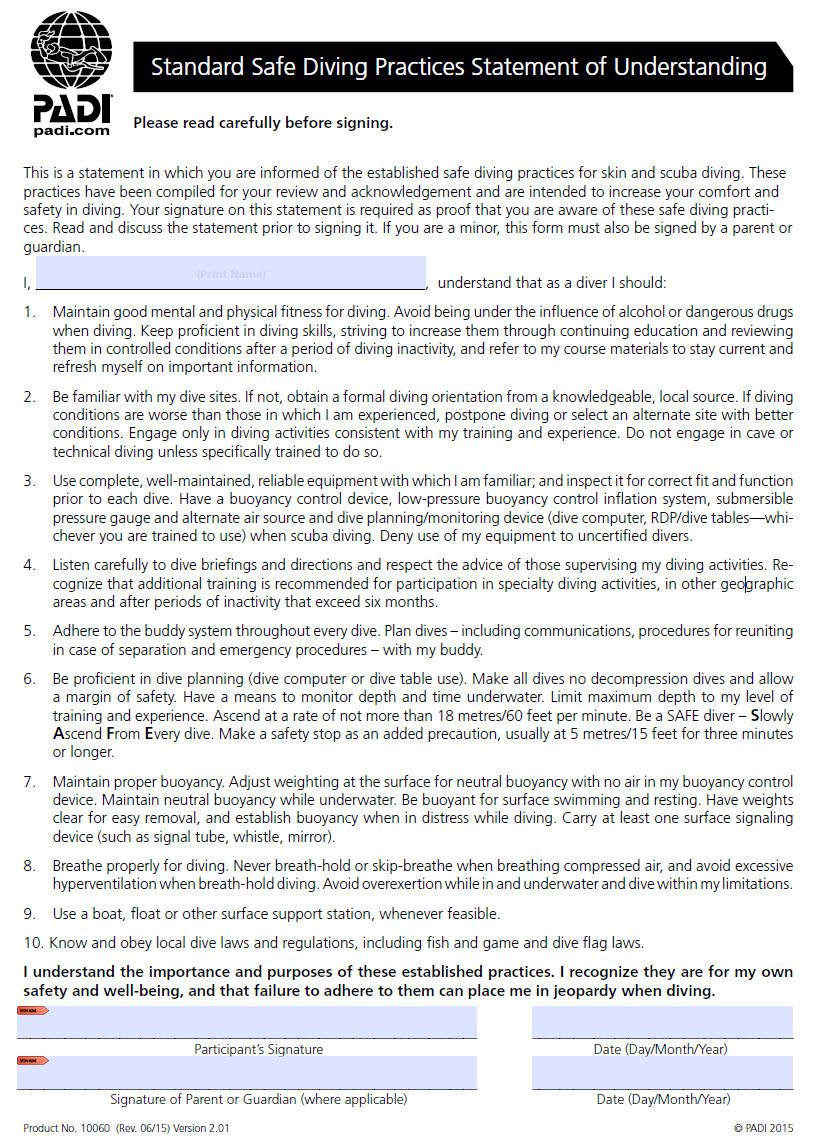
Send a brief checklist via email or WhatsApp and request written confirmations.
Supervision and ratios
What is the maximum student-to-instructor ratio for juniors in open water?
Will an additional pro or assistant be in the water for skills and descents?
How will the team handle separation, ear issues, or a nervous student during descents? Clear, conservative answers indicate a center that plans for real-world scenarios involving youth.
Briefings and conditions
Will briefings be bilingual if needed?
Which sheltered sites are used on windy days, and how quickly can routes change if conditions shift?
Are there minimum visibility or maximum wave limits for junior dives?
Safety equipment and emergency planning
Oxygen and first aid on every boat, with staff trained to use them.
Radio and cellular comms, emergency action plan, and documented drills.
Life jackets for surface wearers and snorkelers. DAN also recommends conservative decisions for children and the avoidance of higher-risk environments, such as night, cavern, and overhead dives, for juniors. dan.org

Step four. Confirm that certifications and identities will be checked
A reputable center will verify instructor credentials and student certifications as needed and will request medical forms in advance. Parents can also keep a child’s PADI eCard handy in the PADI App for instant proof of level and age. padi.com
Step five. Verify the operation is legal and permitted
In Mexico, licensed operators hold the correct permits, employ actual personnel, and adhere to regulations set by the Harbor Master and Marine Park.
Ask plainly whether the operator owns and operates their own boats?
Many operators advertising in Cancun are not actual dive companies but rather tour companies that sell you to other discount instructors who often lack the proper credentials to work in Mexico and have zero accountability.
Ask: Do you employ your own staff, including dive boat captains and certified instructors?
There are numerous dive operators listed on Google who are essentially freelance dive instructors, arriving one day and departing the next, often renting fishing boats or spaces with other operators, without a safety plan or control over their operations. These operators usually use captains who operate day-to-day and are not dive boat captains.
Ask: Who are your instructors and what level of experience do they have?
Any dive Center will know its team members inside and out, including the skills they possess. And they should be able to match you and your family with the best team members.
The dive company can and should be able to tell you the company's history, the level of experience they have, and the type of personality that best matches you and your Junior Open Water Student.
If any of these answers are vague, choose another provider.
Parent participation. How to be part of your child’s training day

Parents and guardians are powerful safety partners when their participation is structured.
Attend briefings and listen for depth limits, hand signals, turn pressures, and separation plans.
Be present for pool skills and first ocean entries so the junior diver sees a calm, familiar face topside.
Keep the day simple. Bring water, a towel, sun protection, and warm layers. Avoid pressure or “pushing through” ear discomfort.
Our approach: we offer a Junior Open Water + Guardian Course that invites a certified parent to accompany the junior diver on training days. This shared plan supports equalization, buoyancy practice, and patient pacing without turning the day into a sales program. It is about comfort and supervision first.
Clear red flags that tell you to walk away: any operator can answer without hesitation.
The operator cannot be found on the PADI locator, or refuses to state their agency affiliation padi.com
Moving you to a different training agency is usually a sign that they are in bad standing or have been removed as a PADI training facility.
PADI centers are exclusively PADI centers and do not permit other training agencies to operate within them.
They don't own their own boats, so they can't control the safety and activities.
Name of boat and the capacities that you will be on.
Check Google profile pictures that show a business with clear signage.
Google has a specific locator tool that licensed, recognized businesses should use to see the exterior of their building.
Ratios are vague, or you are told that assistants are “not necessary” for junior groups.
4/1 Open Water dives should never be exceeded
Dive Masters are not instructors; they are the entry-level of professional divers, often thought of as the highest level. However, they are actually the lowest level and cannot conduct Discover Dive or any course training.
No written emergency plan, no oxygen kit on the boat, or rush pressure during briefings.
These are non-negotiables
Freelance teams have no way to conduct action plans or build rapport with captains and other teammates.
The team proposes night, cavern, or overhead environments for junior certification dives.
If these types of dives are offered, your safety is no longer paramount as profits are being put ahead of dive safety.
DAN advises keeping youth diving low-risk and daylight-only. Scuba Diver Life
A gentle reminder about fit and readiness
Every child is different. DAN notes that growth, attention, thermal tolerance, and ear anatomy vary by age. Choose shallow, calm routes, keep dives short, and prioritize comfort over any goal to “finish the course today.” When in doubt, pause, rest, or reschedule. dan.org
Quick FAQ for parents
How can I confirm a dive center is recognized?
Search the PADI Dive Shop Locator for the center’s listing and business level. Ask the center to send a screenshot of their listing and the supervising instructor’s PADI number for today. padi.com
What depth will my child be allowed to dive
Ages 10–11 are limited to 12 meters or 40 feet with a pro or certified parent or guardian. Ages 12–14 are limited to 18 meters or 60 feet with a certified adult. PADI Blog
Are cenotes appropriate for junior students?
Cenote cavern dives are reserved for certified divers only, never for students. Juniors should complete training on calm reefs in daylight conditions. DAN recommends avoiding overhead and higher-risk environments for children. Scuba Diver Life

See the full details on our Junior Open Water course page.
Dive and snorkel with Manta Divers, Cancun.
Call (800) 659-0712 · Info@mantadivers.com · mantadivers.com